
Industrial inspections have always been one of the most important parts of maintaining safe, compliant, and efficient facilities. Whether the work involves rooftops, warehouses, manufacturing plants, construction zones, or commercial buildings, inspections help identify risks before they turn into costly failures. The challenge, however, is that traditional inspection methods often put workers in the exact environments that present the greatest danger.
Climbing scaffolding, accessing rooftops, navigating active construction sites, or working near electrical systems all increase the risk of accidents. This is where drone technology has completely changed the conversation. By allowing teams to assess hazardous areas from a safe distance, drones make inspections not only more efficient but significantly safer for everyone involved.
In industrial settings, safety is never just a box to tick. It directly affects workers, project timelines, insurance concerns, and operational continuity.
Traditional inspections often require teams to physically access high, unstable, or restricted areas. This may involve climbing ladders, walking on rooftops, entering partially completed structures, or moving through active machinery zones. Even with protective gear and safety protocols in place, these environments carry unavoidable risk.
Falls remain one of the most common workplace hazards in inspection and construction-related work. Rooftop surfaces may be slippery, structurally compromised, or difficult to navigate. Older buildings can have weak access points, hidden water damage, or deteriorating materials that are not immediately visible from the ground.
This is where drone inspection services create an immediate and meaningful advantage.
Instead of placing an inspector in a hazardous location, a drone can reach the same area within minutes and capture detailed visuals from multiple angles. The inspection still gets completed, but without exposing anyone to unnecessary danger.
That single shift in approach has made drones one of the most practical safety tools in industrial operations.
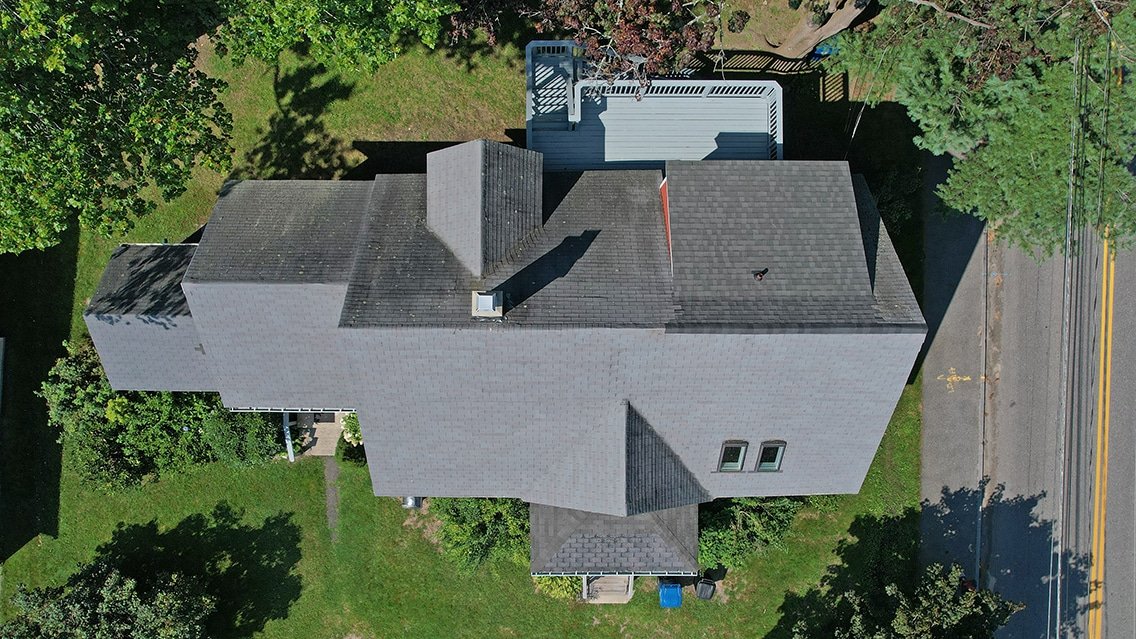
One of the clearest safety benefits of drones is the reduced need for physical access to dangerous spaces.
Think about how roof inspections were traditionally handled. In many cases, teams had to use ladders, scaffolding, safety harnesses, elevated platforms, or even cranes to access a structure. Every additional layer of equipment increases both time and risk.
With drone roof inspection services, that process becomes far safer and far more efficient.
A drone can quickly inspect:
without requiring a single person to step onto the roof.
This is especially important for older commercial buildings and industrial facilities where roof surfaces may be fragile or difficult to access safely.
Instead of asking a worker to physically inspect a potentially unstable surface, the drone provides the same visibility from a controlled and safe distance.
This not only protects workers but also reduces liability concerns for businesses.
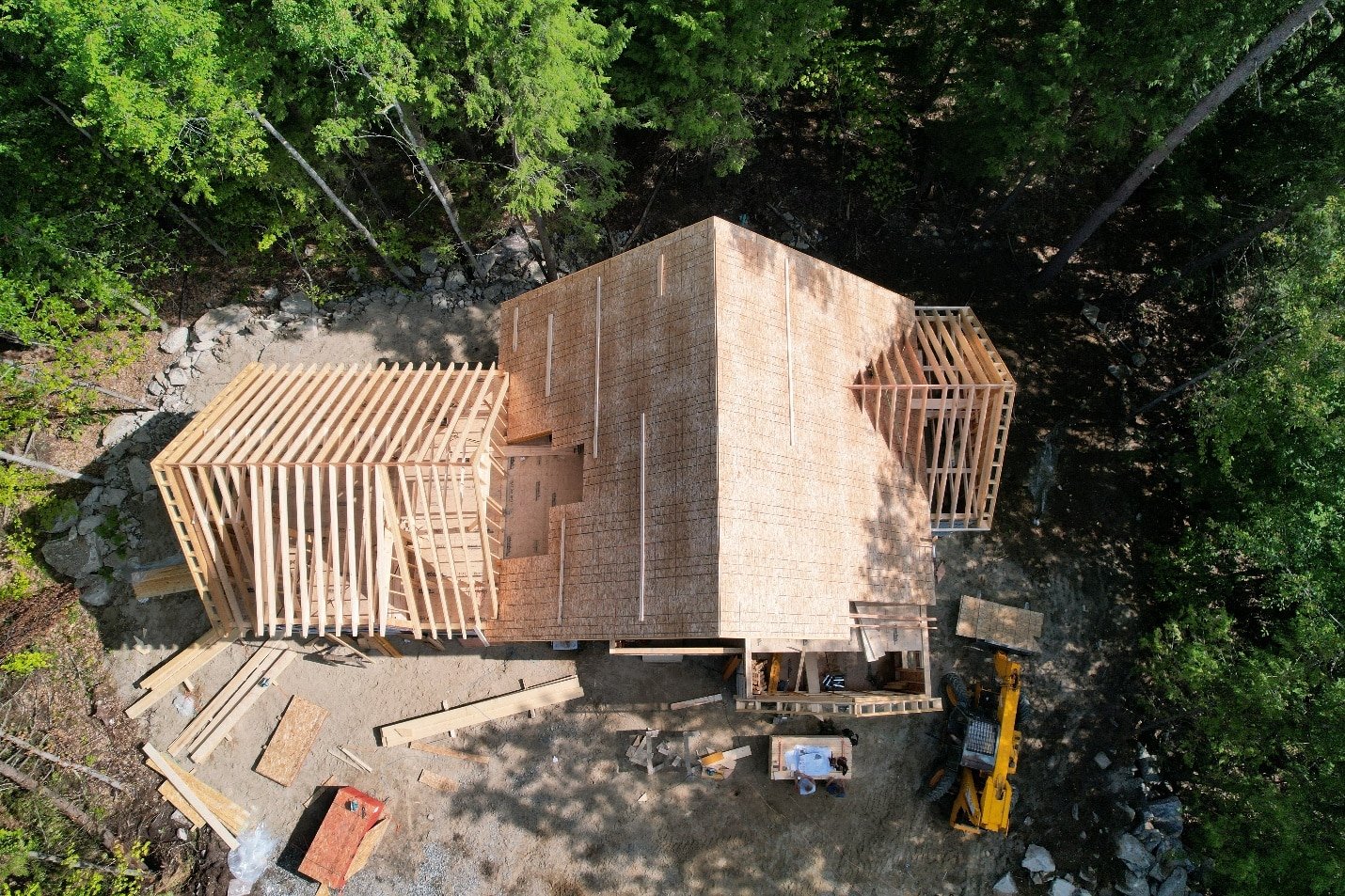
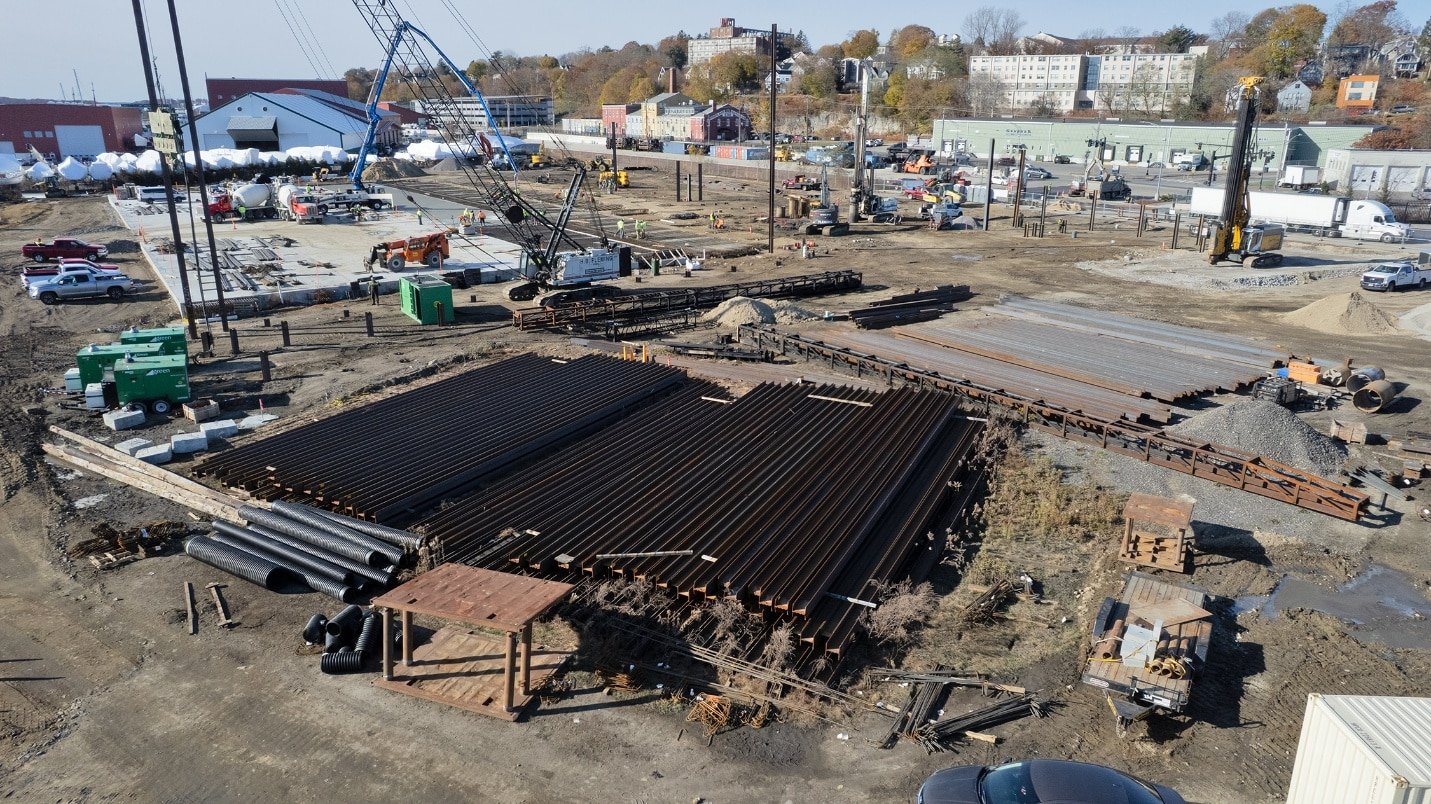
Construction environments are among the most dynamic and potentially hazardous spaces to inspect.
Conditions change daily. New structural elements are added, heavy equipment moves frequently, and temporary access routes may shift throughout the project.
This is where construction site drone monitoring becomes incredibly valuable.
Rather than requiring supervisors or inspection teams to walk through every section of the site, drones provide a safe aerial overview of progress and conditions.
This helps teams review:
without placing personnel in active work zones.
This is not just a convenience benefit.
It significantly reduces exposure to heavy machinery, uneven terrain, falling materials, and restricted areas.
For project managers, it also improves oversight because they can assess the full site from above rather than relying on fragmented ground-level checks.
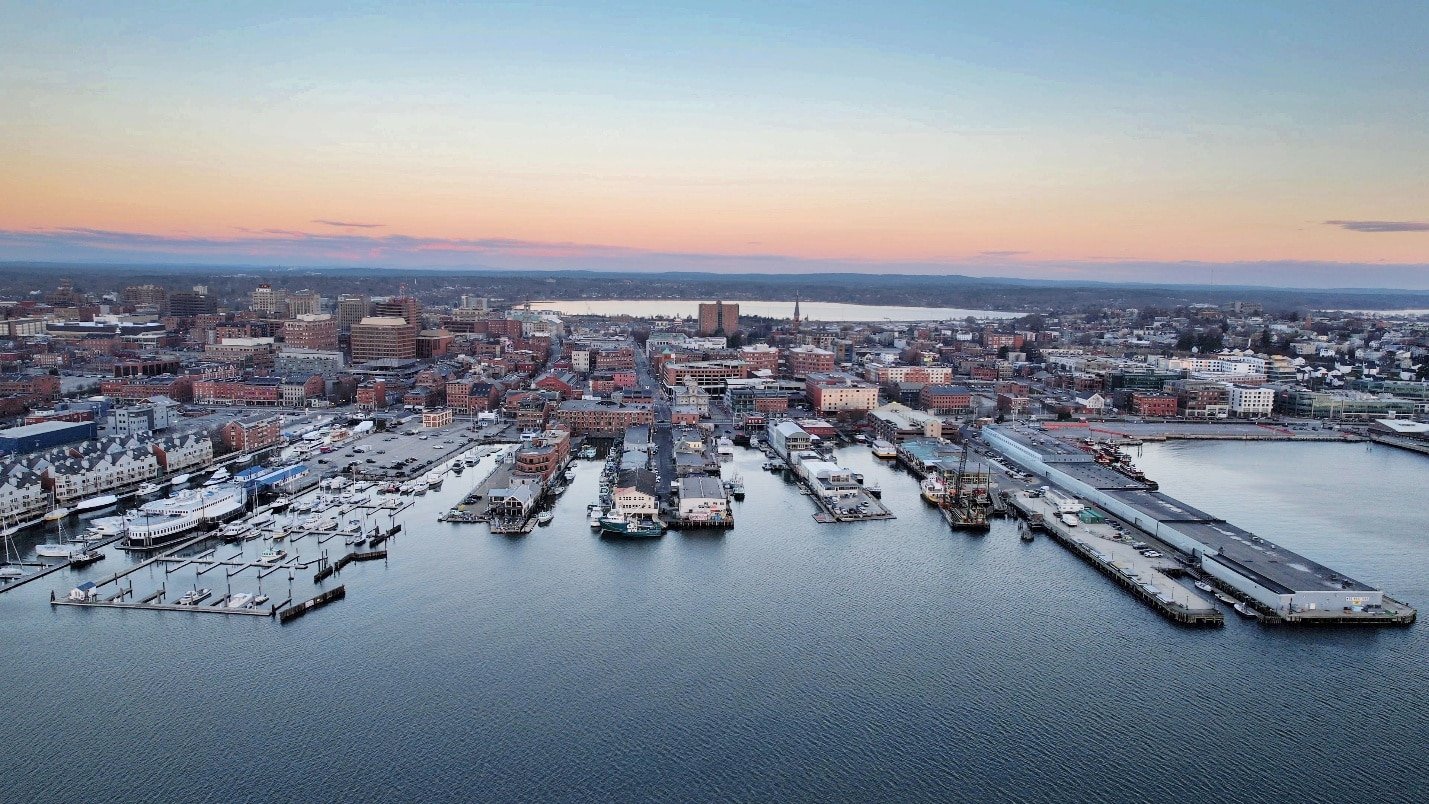
Safety and accuracy often go hand in hand.
One of the reasons drones have become so valuable in inspections is the level of detail they capture.
Modern drones equipped with high-resolution aerial photography allow teams to zoom into surfaces, joints, edges, and structural points with remarkable clarity.
This helps inspectors identify:
without approaching the area physically.
In many cases, aerial visuals actually improve inspection quality because the team can review the footage multiple times and examine details more closely than they might during a quick manual inspection.
This means fewer missed issues and more confident reporting.
Safety often begins before an inspection even starts.
This is where drone mapping and inspection services offer another major benefit.
Aerial mapping helps teams understand the full site layout before sending anyone into the space.
This includes:
By identifying these areas in advance, teams can create safer movement plans and avoid unnecessary exposure.
This becomes especially useful for large industrial facilities and commercial developments where site complexity can make manual navigation difficult.
Large-scale industrial and commercial facilities often require frequent inspections for insurance, compliance, maintenance, and structural review.
This is where commercial drone services provide long-term value.
Instead of repeatedly sending workers into high-risk environments, businesses can use scheduled drone inspections to monitor ongoing conditions safely.
For companies using commercial drone services in Portland, ME, this creates a safer and more efficient way to maintain facilities while minimizing disruption to operations.
Drone safety is not only about the equipment. It is also about who is operating it.
Working with an FAA-certified drone operator ensures that inspections are handled legally, professionally, and safely.
This includes knowledge of:
For businesses seeking an FAA-certified drone operator in Portland, ME, certification helps ensure that the inspection process itself does not create additional operational or legal risk.
Similarly, working with a licensed drone pilot adds another layer of trust and professionalism.
An experienced licensed drone pilot in Portland, ME, understands how to capture inspection-grade visuals while maintaining safe operational standards.
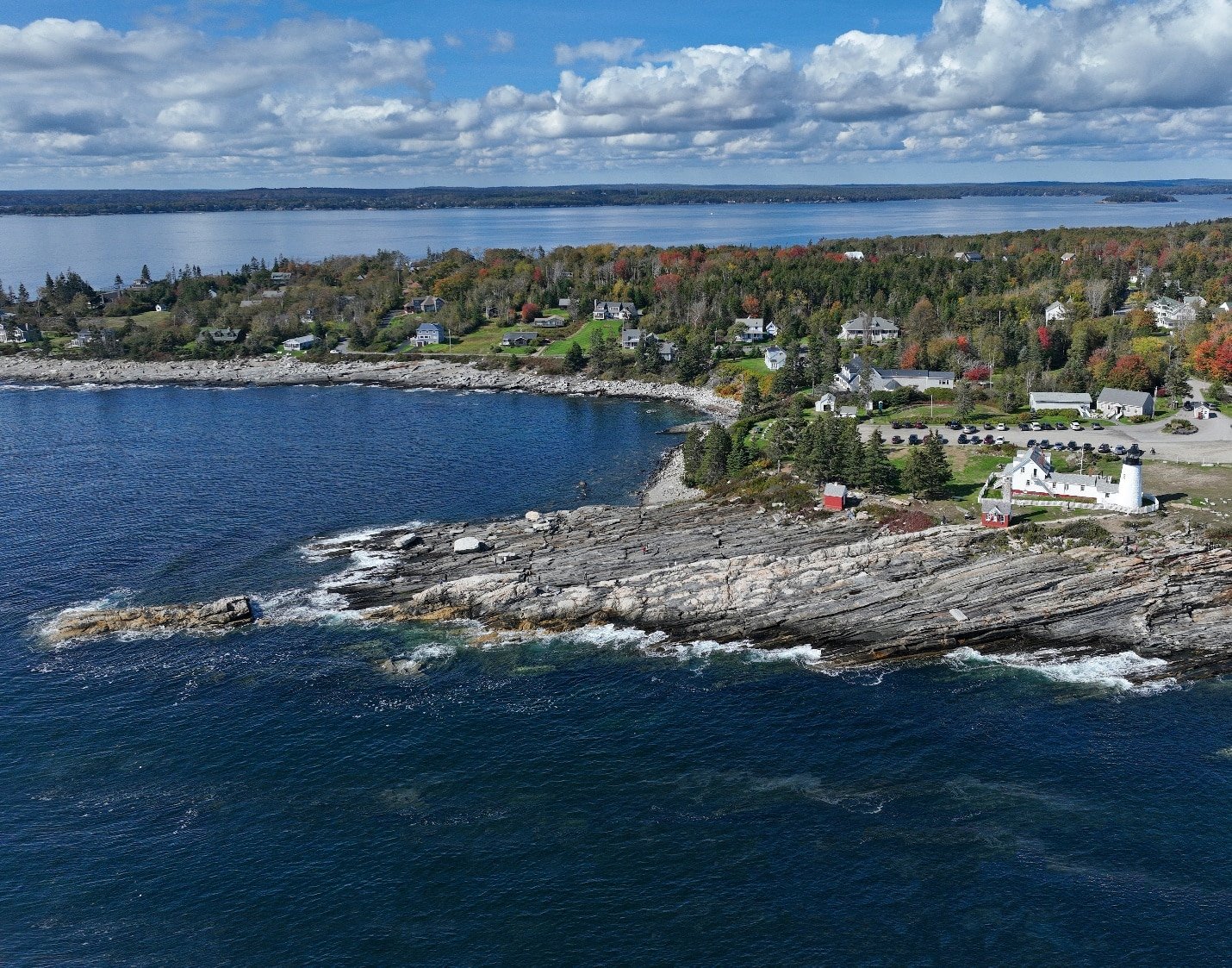
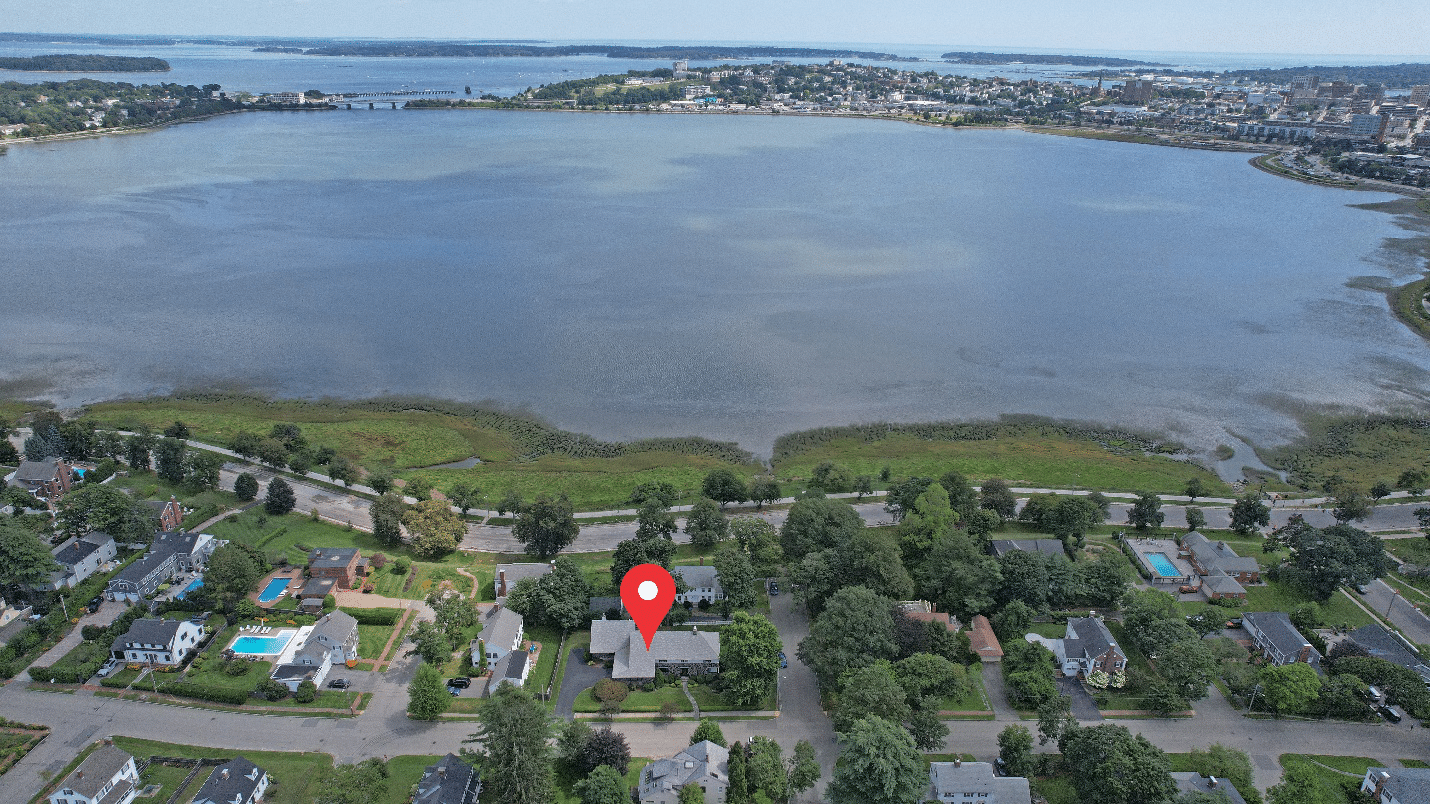
For businesses and property managers needing drone inspection services in Portland, ME, local expertise matters.
Familiarity with local building layouts, weather conditions, and commercial zones helps create safer and more efficient inspections.
The same applies to aerial photography services in Portland, ME, where local operational knowledge improves planning and reduces unnecessary risk.
One of the most overlooked safety benefits of drone technology in industrial inspections is how quickly it can be deployed in urgent situations. When a facility experiences storm damage, visible structural stress, fire-related exposure, roof failure, or equipment malfunction, sending workers in immediately is not always the safest decision. In these moments, speed matters, but so does caution.
This is where commercial drone services provide an immediate advantage.
Instead of asking a team to physically enter a potentially unstable area, a drone can be launched within minutes to assess visible damage and identify immediate hazards. This helps site managers, contractors, and safety officers determine whether the space is safe to access and what precautions need to be taken before any manual inspection begins.
For example, after heavy rain or severe weather, a commercial roof may have loose materials, standing water, compromised flashing, or damaged edges that are difficult to assess from the ground. A drone can provide a clear overhead view within minutes, helping the team make informed safety decisions.
This early aerial assessment reduces the chance of rushed, high-risk decisions and helps keep workers out of unsafe environments until the area has been properly evaluated.
One of the simplest ways to improve workplace safety is to reduce the amount of time workers spend in hazardous environments.
The longer a team remains on rooftops, near active machinery, or within unstable construction zones, the higher the risk of accidents, fatigue, or human error.
Traditional inspections often require significant setup time, access equipment, and manual movement across multiple zones. This process can easily take several hours.
Drones dramatically reduce that time.
A single aerial inspection handled by an FAA-certified drone operator can cover large industrial and commercial areas quickly, often in a fraction of the time required for manual access. Working with an FAA-certified drone operator in Portland, ME also ensures that every flight is conducted safely and in compliance with regulations.
This reduces worker exposure to:
This is one of the most practical safety benefits of drone-based inspections.
A faster process is not just more efficient. It is actively safer.
Safety does not begin when a problem becomes visible. It begins much earlier, during preventive maintenance.
One of the major advantages of drone inspections is that they make regular assessments easier and more realistic for businesses to schedule.
When inspections are difficult, expensive, or physically risky, they are often delayed. Unfortunately, delays can allow small structural issues to turn into serious safety concerns.
Routine drone inspections help teams catch problems early, including:
By identifying these issues early, maintenance teams can schedule repairs before the damage becomes dangerous for staff, contractors, or site visitors.
This proactive approach helps prevent emergency repair situations and creates a much safer working environment over time.
Industrial sites often contain areas that are extremely difficult to access safely.
These may include:
Traditionally, inspecting these spaces would require lifts, scaffolding, or specialized access teams.
Drones remove much of that complexity.
Aerial systems can safely capture visuals from angles that would otherwise require significant manual effort and risk. This means inspection teams can review difficult spaces without exposing workers to dangerous climbing conditions or limited-access environments.
This is particularly valuable in older industrial buildings where access routes may be less reliable.
Another major benefit of drone inspections is the quality of documentation they provide.
Safety teams, insurers, facility managers, and contractors all rely on accurate visual reporting.
Drone inspections create detailed, time-stamped records that can be reviewed repeatedly and shared across teams.
This improves communication for:
Working with teams that offer aerial photography services in Portland, ME also improves documentation quality through reliable local scheduling and clear site familiarity.
This helps teams make better safety decisions and track changes over time.
One of the smartest ways drones improve safety is by helping teams assess conditions before workers physically enter the environment.
This pre-access visibility helps identify:
By reviewing these conditions in advance, teams can plan safer movement paths and reduce unnecessary exposure.
This is especially useful for large industrial spaces, commercial developments, and ongoing construction projects where conditions may change daily.
Drone inspections should not be seen as one-time tools.
They work best as part of a long-term safety strategy.
Regular aerial reviews help businesses monitor how facilities change over time and identify recurring risk areas before they become major concerns.
For example, repeated roof inspections may reveal drainage issues developing over several months. Structural reviews may show early signs of wear that would be difficult to notice through occasional manual inspections.
This ongoing visibility helps businesses improve:
Over time, this contributes to a stronger safety culture across the organization.
For many businesses, the real shift comes from understanding that drones are not just a visual convenience.
They are a practical safety investment.
The long-term benefits include:
These improvements directly affect both worker safety and operational efficiency.
In many cases, the reduction in risk and time spent in hazardous environments can justify the investment in safety benefits alone.
When worker safety, accurate reporting, and efficient inspections matter, the right aerial support makes all the difference. Quality Aerials helps businesses reduce risk through professional drone inspections that provide clear, detailed site visibility without exposing teams to dangerous conditions. From roof structures and construction zones to commercial facilities and long-term maintenance checks, their expertise helps every inspection become safer, faster, and more informed.
Contact Quality Aerials today to bring smarter and safer industrial inspections to your next project.