A drone can lift a camera hundreds of feet into the air, but altitude alone does not make an image memorable. Plenty of aerial clips are technically sharp and still forgettable, because nothing in them tells the viewer where to look, what to feel, or why the moment matters.
What separates a nice view from a story people remember is intention: a clear subject, a deliberate path through the scene, and an edit that guides the viewer from the first frame to the last.
Quality Aerials, a family-owned team based in Falmouth, Maine, has built its approach to drone photography and videography around that idea.
This guide explores the craft behind drone photography storytelling, covering planning, composition, camera movement, light, editing, and the way those pieces change from one type of project to the next. Whether the goal is selling a home, documenting a wedding, or showing progress on a job site, the same principles apply.
Aerial imagery has become common. Real estate listings, local businesses, and tourism boards all use it, which means viewers have learned to scroll past a generic flyover. A shot that simply rises and shows a rooftop no longer earns attention through novelty alone. It has to communicate something.
Story gives aerial content that purpose. Here, story does not mean a plot with characters. It means a sequence of images and moments arranged so that each one answers a question and raises another. Where is this place? What is it like to be there? What makes it different from the one next door? When footage is planned and edited to answer those questions in order, viewers stay with it longer, remember more of it, and are more likely to act, whether that means booking a tour, requesting a quote, or sharing the video with a friend.
The strongest aerial work is decided on the ground.
Planning starts with a conversation about the goal: who will watch the finished piece, where it will appear, and what it should make them do or feel. A listing video for out-of-state buyers has a different job than a highlight film for a family celebration, and the shots that serve one may be wasted on the other.
From there, a site visit or a careful look at maps and satellite imagery helps identify the hero subject, the surrounding context, and the best angles.
Many professionals build a simple shot list that works like a mini storyboard. It usually includes an opening image, a handful of supporting shots that build interest, and a closing moment that delivers the payoff. The opening often borrows from film language as an establishing shot, which shows the setting before the details appear.
Planning also covers practical issues such as weather windows, sun position, battery management, nearby people or obstacles, and airspace rules. A plan does not remove spontaneity, but it makes sure that when a great moment appears, there is room in the schedule to capture it.
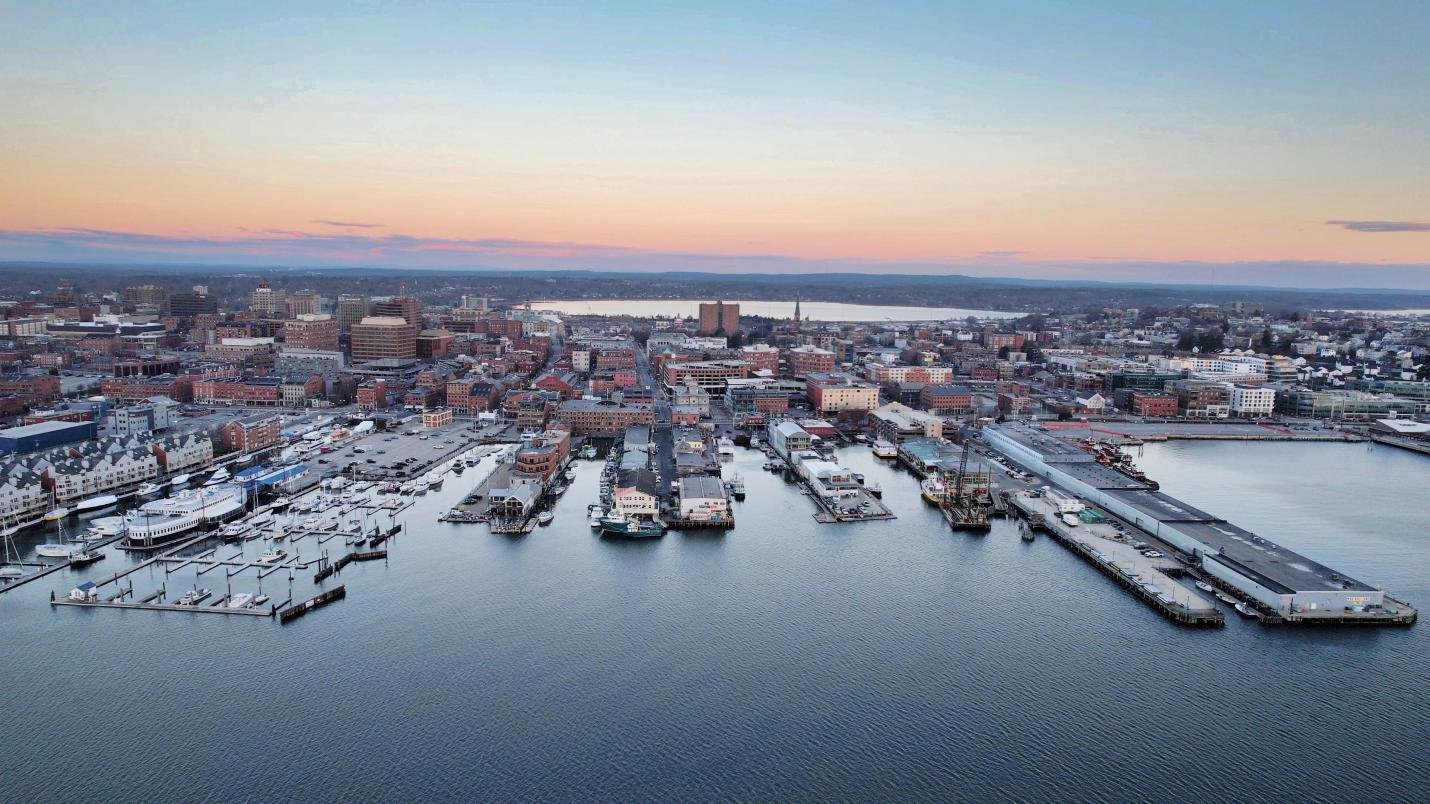
Composition is the arrangement of elements within the frame, and it matters even more from the air because the entire scene is visible at once. Without a clear structure, a wide aerial image can feel like a pile of unrelated details. The broader principles of visual composition, such as balance, contrast, and emphasis, still apply. The drone simply changes the vantage point.
One of the most familiar guides is the rule of thirds, which divides the frame into nine equal sections using two horizontal and two vertical lines. Placing the subject near one of those lines or intersections usually feels more balanced and dynamic than centering it. A house set in the left third of a frame, with a winding road entering from the right, gives the eye a natural path to follow.
Leading lines extend that idea. Roads, shorelines, fences, stone walls, rivers, and rows of trees can all guide attention toward a subject, and Maine’s landscape offers plenty of them, from harbor piers to long driveways cutting through the woods.
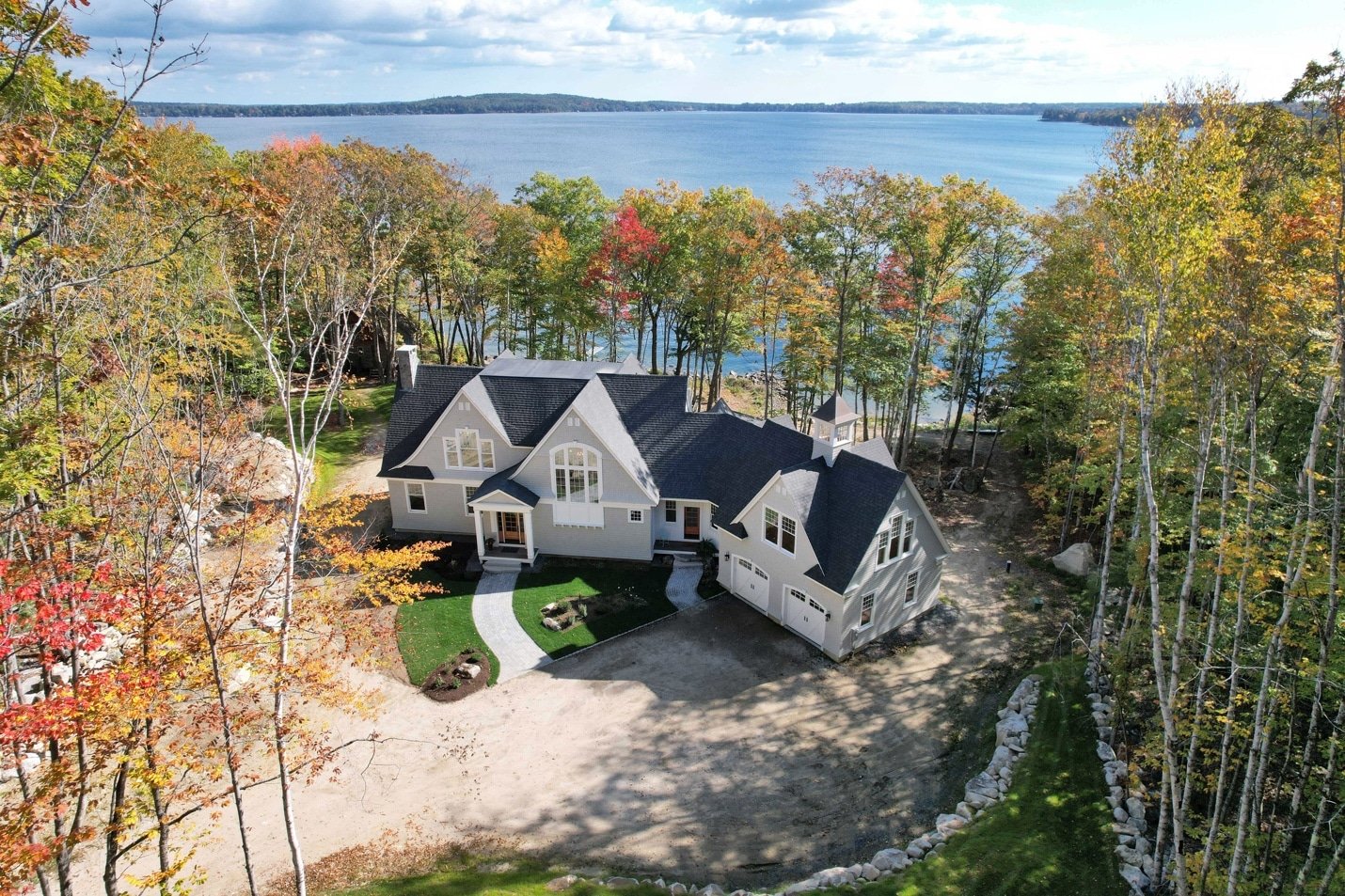
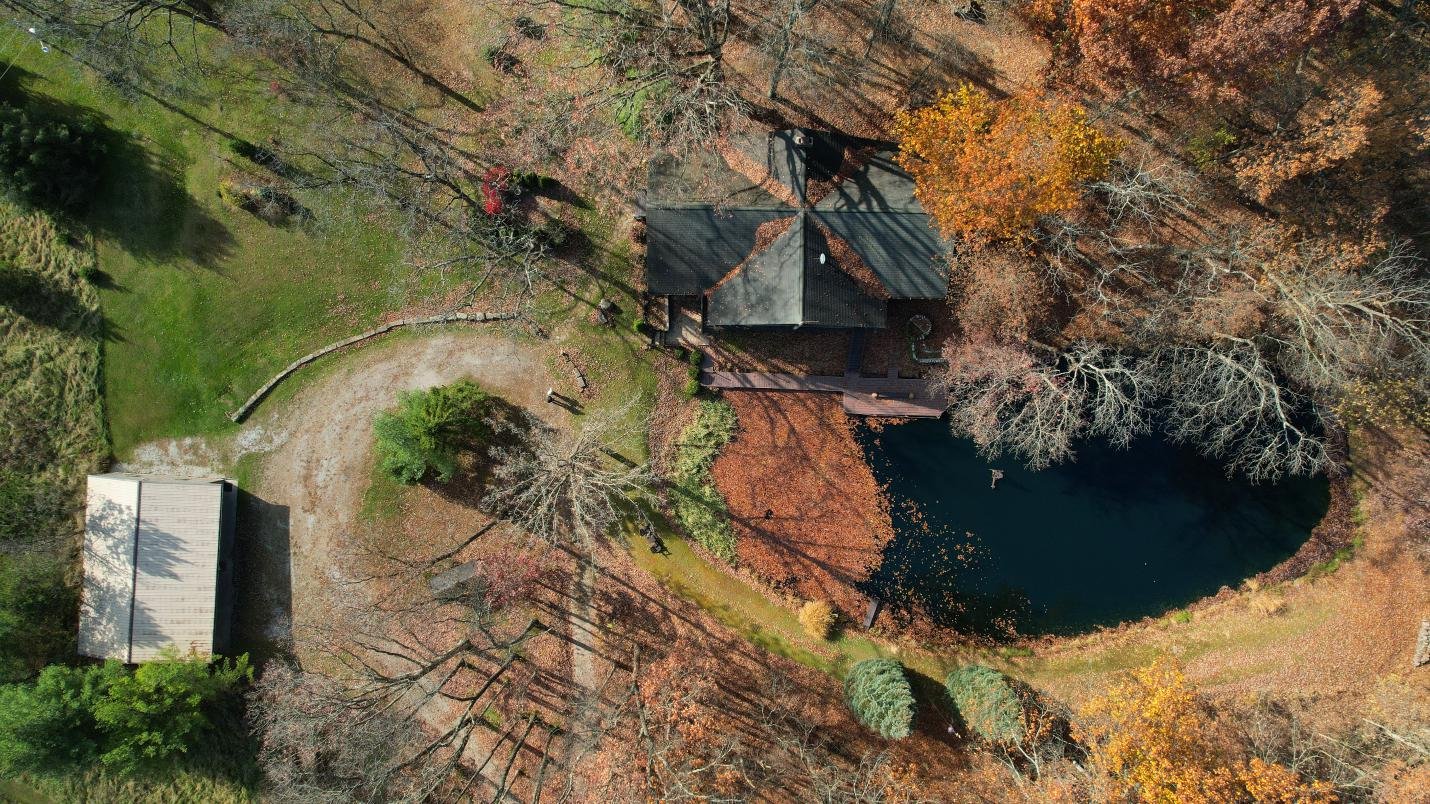
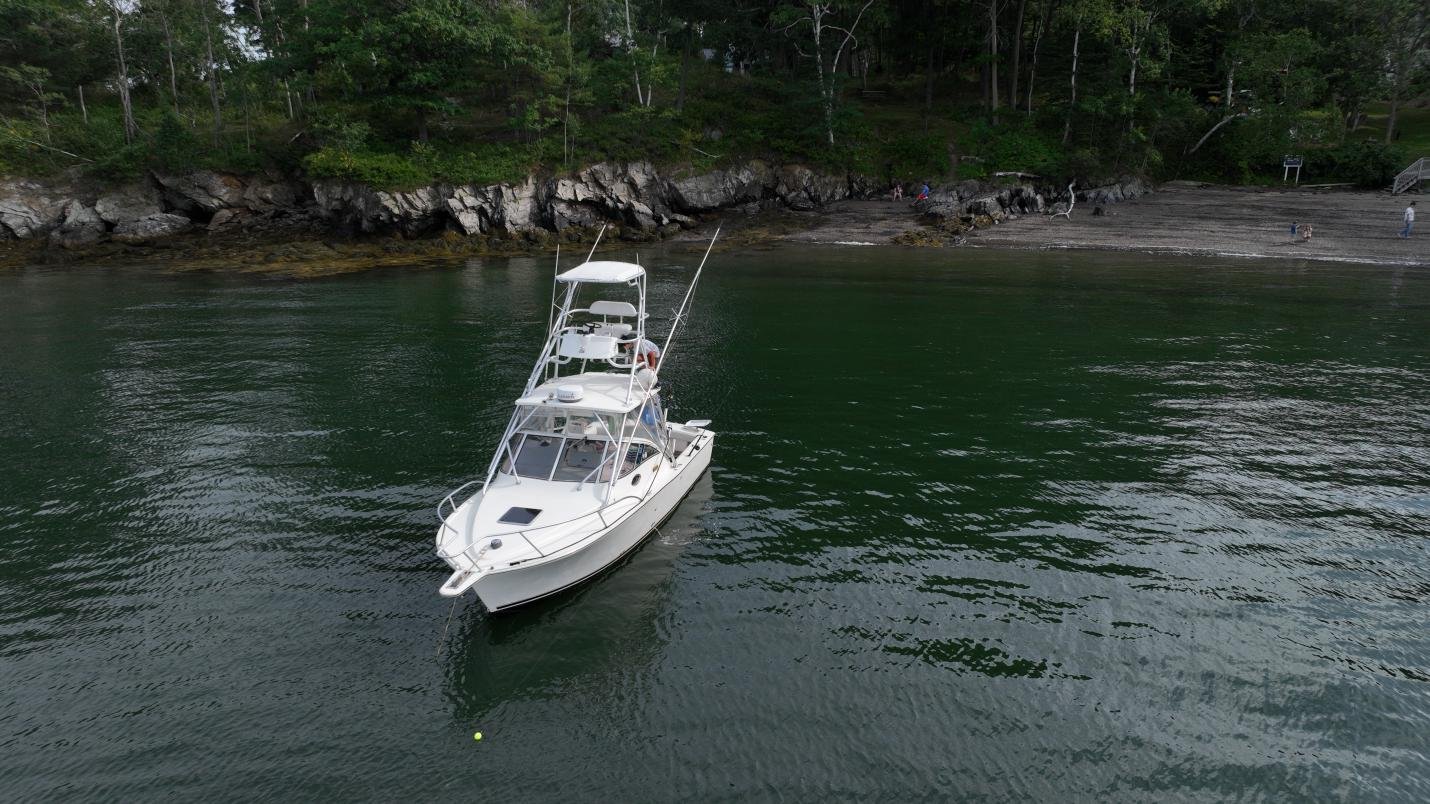
Altitude and angle shape the message as well. A high, top-down view turns a scene into a pattern, which works well for farmland, parking lots, or tidy rows of boats. A lower, oblique angle shows depth and dimension, which tends to suit architecture and landscapes. Pulling back shows context and scale, while moving closer reveals texture and detail.
This is also where high-resolution aerial photography earns its keep. Sharp, detailed stills let viewers study roof lines, landscaping, and surroundings, and good composition makes sure that detail supports the subject instead of competing with it. Rules are guidelines, not laws.
Sometimes perfect symmetry or a centered subject tells the story best, and experienced pilots know when to break the grid on purpose.
Video adds time, and camera movement becomes the pacing of the narrative. Each basic move communicates something different. A slow forward push builds anticipation.
A pull back reveals context and can end a sequence with a sense of scale. An orbit around a subject emphasizes its importance and shows it from every side. A rising tilt over a ridge or rooftop creates a reveal, uncovering a lake, a skyline, or a neighborhood that was hidden a moment earlier.
Speed matters as much as direction. Slow, steady movement feels calm and premium, which suits luxury homes and scenic landscapes. Faster movement and tighter cuts feel energetic, which suits events and festivals. What does not work is movement without a reason. Jerky inputs, random changes of direction, and constant motion tire the viewer and break the spell.
Smoothness comes from practice, planning, and well-chosen equipment settings, and it is one of the clearest signs of professional work. Footage that glides makes a subject look important, while footage that wobbles makes even a beautiful property look amateur.
Light sets the mood of every image. The softer, warmer glow of golden hour, the period shortly after sunrise or before sunset, adds long shadows, gentle color, and dimension that midday sun tends to flatten. Exteriors, coastlines, and landscapes often look their best in these windows, which is why many shoots are scheduled around them.
Overcast skies are not always a problem. A soft, even sky can flatter certain architecture and reduces harsh shadows, though it may need careful color work to avoid a dull look.
Maine adds its own variables. Coastal fog can create atmosphere or hide the subject entirely. Tides change the look of a harbor within hours. Fall foliage peaks briefly, and winter snow changes how a property reads from above. Flexible scheduling and a willingness to reschedule for better conditions often make the difference between an ordinary shoot and a standout one, and planning around light also gives the editor stronger material to work with.
Raw footage is material, not a finished story. The edit is where structure, rhythm, and emotion take shape. Deciding which clips make the cut, how long each one holds, and how one moment connects to the next determines whether a video feels polished or scattered.
Pacing should match purpose. Quick, energetic cuts suit an event highlight reel, while longer, calmer shots suit a luxury property or a scenic landscape. Transitions should feel natural rather than flashy, guiding the viewer from one location or idea to the next without calling attention to themselves.
Color grading, the process of adjusting color and tone to improve or stylize an image, brings consistency across clips shot at different times of day and sets the emotional tone. Warm tones can feel inviting, while cooler tones feel calm or modern. Consistent grading also helps a brand look cohesive across a series of videos. Music, sound design, and thoughtful titles add further layers, though they work best when they support the visuals instead of overwhelming them.
This is why drone marketing videos tend to perform best when editing is treated as part of the creative process rather than an afterthought. A well-edited piece gives a brand message a clear beginning, middle, and end. The professional editing service at Quality Aerials covers color correction, exposure adjustments, stabilization, and finishing touches, and the team can also edit footage from other sources.
Different projects call for different narratives, and the best aerial content is shaped around its audience.
For listings, real estate aerial video tours show buyers the home, the lot, and the neighborhood in one flowing sequence. They answer questions about privacy, proximity to the water or town, and layout before anyone steps inside.
Weddings and events rely on emotion and atmosphere. Wedding drone videography can capture the arrival of the wedding party, the scale of a ceremony on the lawn, and the way a venue sits in its landscape, adding a wider perspective to the ground-level coverage guests expect. Festivals and corporate gatherings use the same approach to show the size and energy of a crowd.
Commercial and construction projects tell stories of progress and scale. A series of flights over the same site, taken from the same angles over several weeks or months, shows stakeholders exactly how far a project has come. Inspections tell a different kind of story, one built on clarity and detail, where the goal is a clear view of conditions that would be difficult or unsafe to reach on foot.
Landscapes, parks, and tourism content lean on beauty and sense of place. Wide, patient shots with careful light highlight texture and terrain, which suits environmental projects, land development, and destination marketing. In every case, the footage works because someone decided what story it needed to tell before the drone left the ground.
Even technically capable flights can miss the mark. Shooting without a plan is the most common problem, since footage piles up and the edit has nothing to build on.
Overusing movement is another, because a drone that is always in motion leaves viewers no place to rest. Ignoring light and weather can leave a good subject looking flat, and cutting too fast, adding too many effects, or choosing music that fights the visuals can make a strong shoot feel noisy.
Skipping the basics of safe, legal flying is the most serious mistake. Commercial drone work in the United States falls under the FAA’s rules for commercial operators, which include pilot certification requirements and limits on where and how flights take place. Working with a pilot who understands those rules protects both the result and the client. 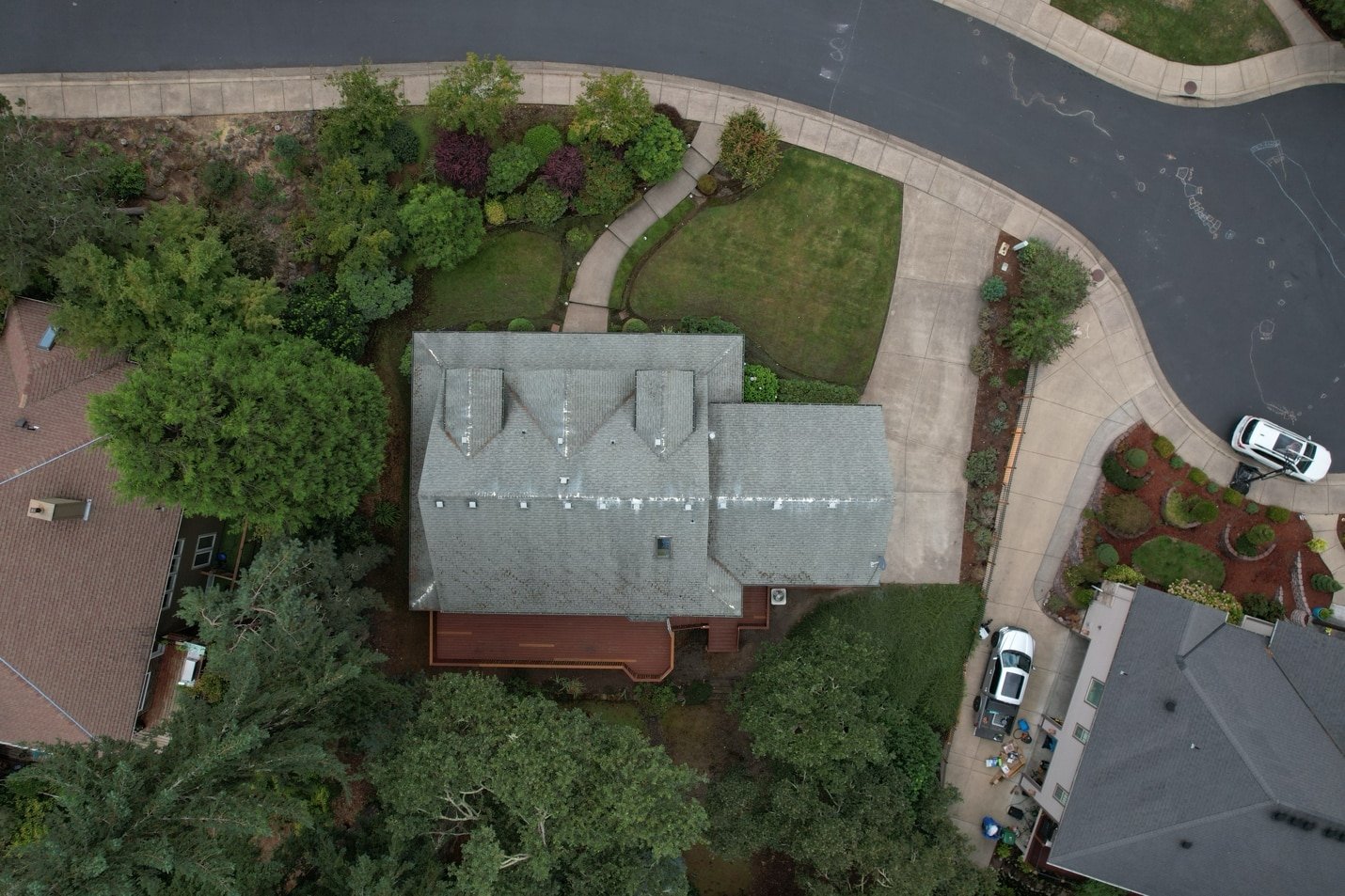
Quality Aerials is a family-owned business based in Falmouth, Maine, founded by Jack Stepp, who brings nearly 30 years of experience as a professional photographer to every project. That background matters, because composition and light are the foundation of aerial storytelling. As a professional drone photographer and the company’s chief pilot, Jack plans, flies, and captures projects directly. Wedon’t hand work to freelance contractors, so clients always know who is behind the camera.
Ouraerial photography services cover real estate, inspections, commercial projects, and landscapes, and ourevent drone photography captures weddings, festivals, and corporate gatherings from perspectives guests rarely see.
Quality Aerials serves Portland, Brunswick, Scarborough, Lewiston, Augusta, and communities across southern and central Maine, with edited photos and videos typically delivered within 24 to 48 hours of a shoot. The business describes its pricing as often half the cost of the big national providers, and its local knowledge means faster response times and clearer communication. Examples of past work are available in our portfolio.
Compelling aerial work is never an accident. Drone photography storytelling combines planning, composition, smooth movement, thoughtful use of light, and an edit that ties everything into a clear message. Each decision is made with the viewer in mind, and each shot has a job to do. When those pieces work together, a flight over a house, a venue, or a job site becomes something people remember and respond to.
Contact Quality Aerials to request a quote and see how our team can capture it from every angle.