
Anyone can buy a drone. Fewer people can consistently deliver polished, reliable, client-ready results from one. Quality Aerials, based in Falmouth, ME and serving businesses and property owners throughout Maine, works with clients who have often already tried the cheaper option first: a friend with a drone, a neighbor’s teenager, or a weekend hobbyist willing to fly for a low fee, before coming to a professional service instead.
The difference usually shows up quickly, and it rarely comes down to the drone itself. It comes down to what happens before, during, and after the flight, the parts of the process a client never sees directly but always ends up experiencing through the final result.
Professional drone services begin with planning, not flying. A professional operator reviews the property or event beforehand, checks airspace restrictions, plans flight paths around obstacles and privacy concerns, and considers how lighting and weather will affect the shoot. A hobbyist typically shows up, flies for a few minutes, and hopes for usable footage. That difference in preparation shows up directly in the final images, whether the goal is a real estate listing, an event, or a construction site.
Operating a drone for any paid or business-related work in the United States legally requires the pilot to hold an FAA Remote Pilot Certificate under Part 107. This is not a formality. The certification process tests knowledge of airspace classifications, weather, aeronautical charts, and safe operating procedures. A weekend hobbyist flying for fun under recreational rules is not permitted to accept payment for that footage, and clients who hire an uncertified operator take on legal exposure themselves. Working with a licensed drone pilot in Maine, specifically an FAA-certified drone operator, means the operator has demonstrated a working knowledge of the rules that keep both the client and the public safe.
Licensing is only part of the picture. Professional drone services typically carry liability insurance that protects clients if something goes wrong during a flight, whether that means property damage, an injury, or an accident near a busy event. A hobbyist operating without commercial insurance leaves the client financially exposed if anything happens during the shoot. Before hiring any drone operator for business use, it is worth asking directly about both FAA certification and current liability coverage, since neither is something a client should have to assume.
Not all drones are built the same, and the gap between consumer and professional-grade equipment shows up clearly in the final images. Professional drone photography services typically use aircraft with larger camera sensors, better stabilization, and more precise control than the entry-level drones most hobbyists fly. This translates into sharper detail, better performance in changing light, and footage that holds up when enlarged for print, video, or a large monitor rather than just looking fine on a phone screen. Backup equipment is another quiet but important factor. A professional operation typically carries a second drone or battery setup, so a single technical issue does not turn into a missed shoot altogether.
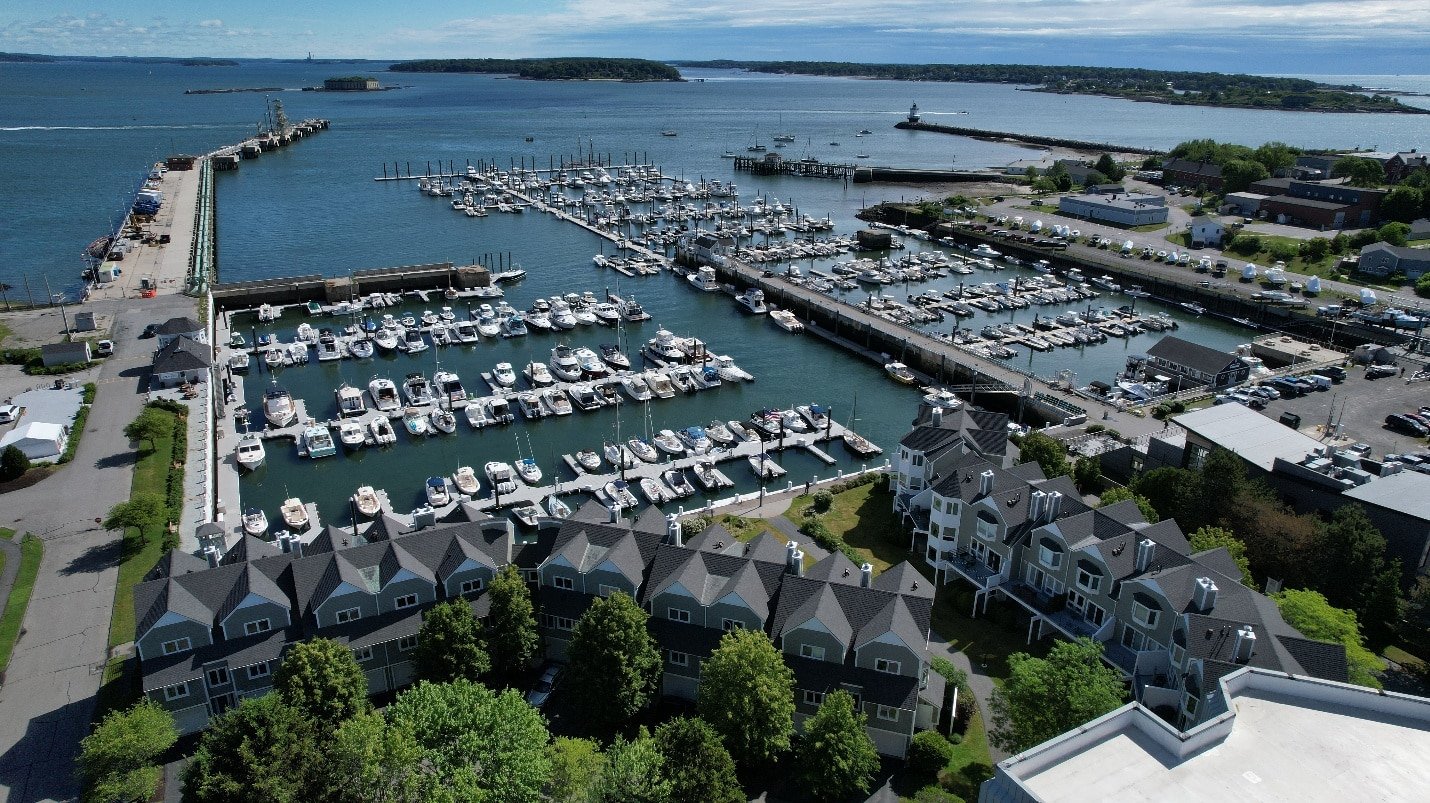
Maine’s mix of coastal towns, small regional airports, and rural airspace means flight planning is rarely as simple as launching a drone and flying wherever looks interesting. Professional operators check airspace authorizations, respect no-fly zones, and plan routes that avoid restricted areas without compromising the shot. This awareness is part of what a client is actually paying for, even though it rarely shows up directly in the final images. A hobbyist unfamiliar with local airspace rules can unintentionally put a project and the client’s timeline at risk.
Weather also plays a bigger role in Maine than in many other markets. Coastal fog, sudden wind shifts, and seasonal changes in daylight all affect whether a flight should happen at all on a given day. Professional operators know when to reschedule rather than fly in marginal conditions that would produce unusable footage, while a hobbyist under pressure to deliver on a promised date may fly anyway and accept whatever the weather gives them.
Flying a drone safely is one skill. Composing a shot that actually communicates something useful is another. Professional operators think about angle, height, timing, and framing the way a photographer would, considering how a shot will be used before ever taking off. A hobbyist tends to capture whatever looks interesting from directly overhead, without much thought for how the final image will function in a listing, a marketing campaign, or a client’s website. Over time, that difference in creative judgment becomes one of the most noticeable gaps between hobbyist and professional work.
Capturing raw footage is only the first half of the process. Professional drone services include structured post-processing: color correction, exposure balancing, stabilization, and careful selection of the strongest shots from a much larger raw collection. This step is often where the real difference between hobbyist and professional work becomes obvious, since raw, unedited drone footage rarely looks finished or client-ready straight off the memory card. High-resolution aerial photography in Maine holds up under close inspection specifically because of the editing work that happens after the flight, not just the flight itself.
Reliable turnaround time is another marker of a professional operation. A hobbyist juggling drone work around a full-time job may take days or weeks to deliver edited files, if they deliver a fully edited set at all. Professional drone services typically operate on a defined turnaround, often 24 to 48 hours for standard projects, because delivering finished work on a predictable schedule is part of running an actual business rather than a side hobby.
Professionalism also shows up in how an operator communicates before, during, and after a project. A professional service confirms scope, discusses deliverables clearly, and follows through on scheduling commitments. Hobbyists, often juggling drone work alongside other obligations, are more likely to reschedule last minute, underdeliver on what was promised, or go quiet after a shoot. For time-sensitive projects like real estate listings or event coverage, that unreliability can be more costly than the money saved on a cheaper rate.
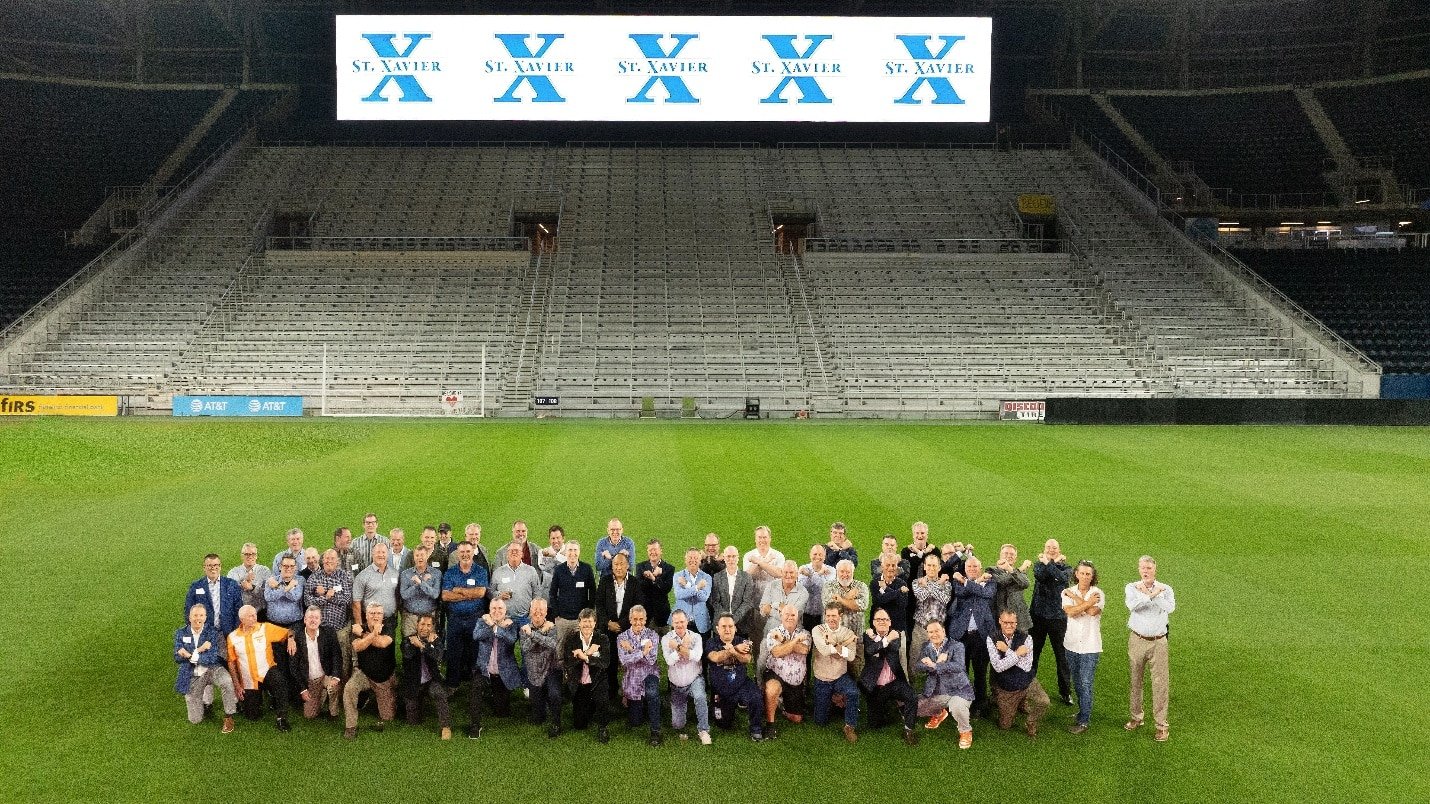
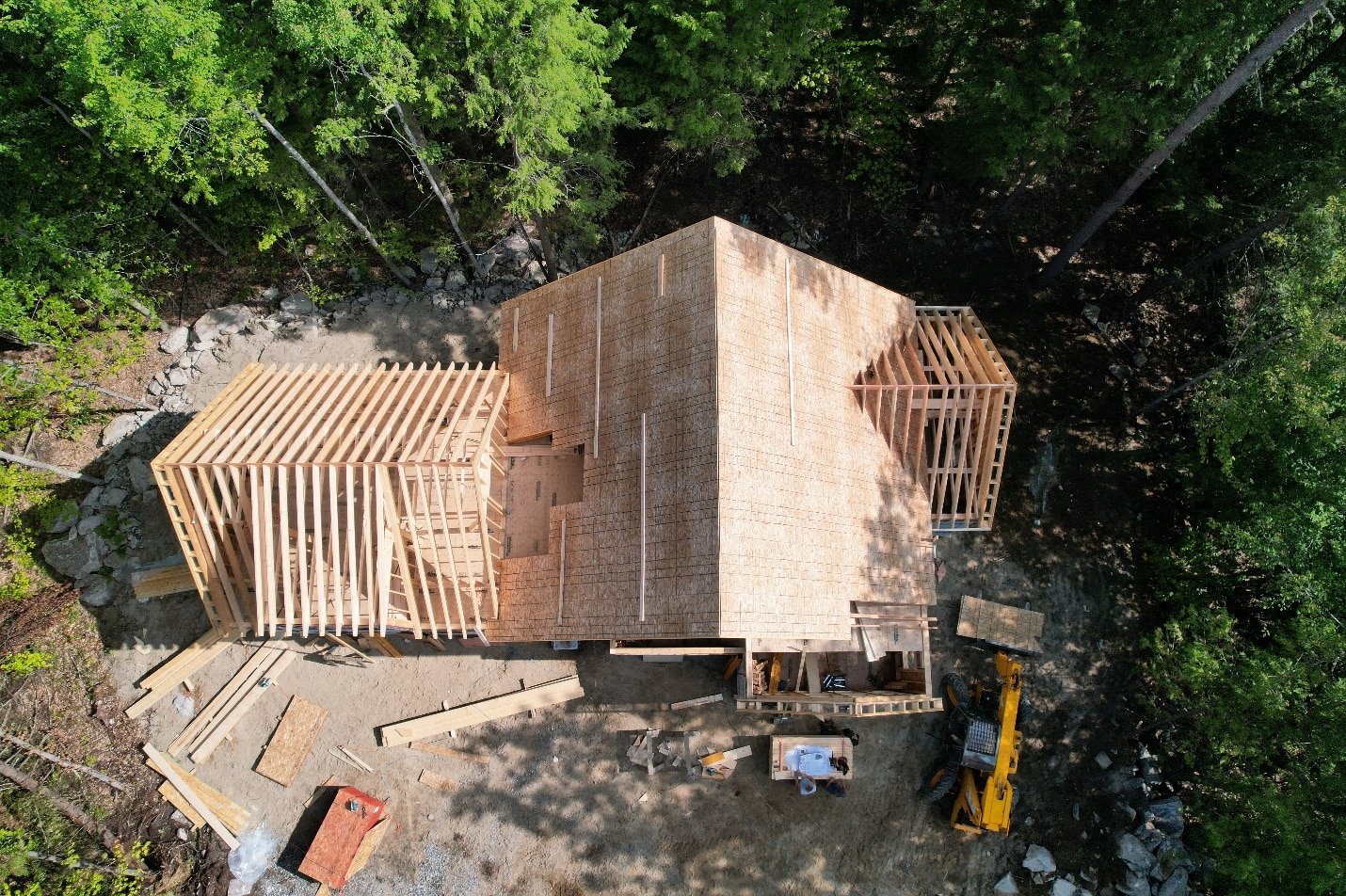
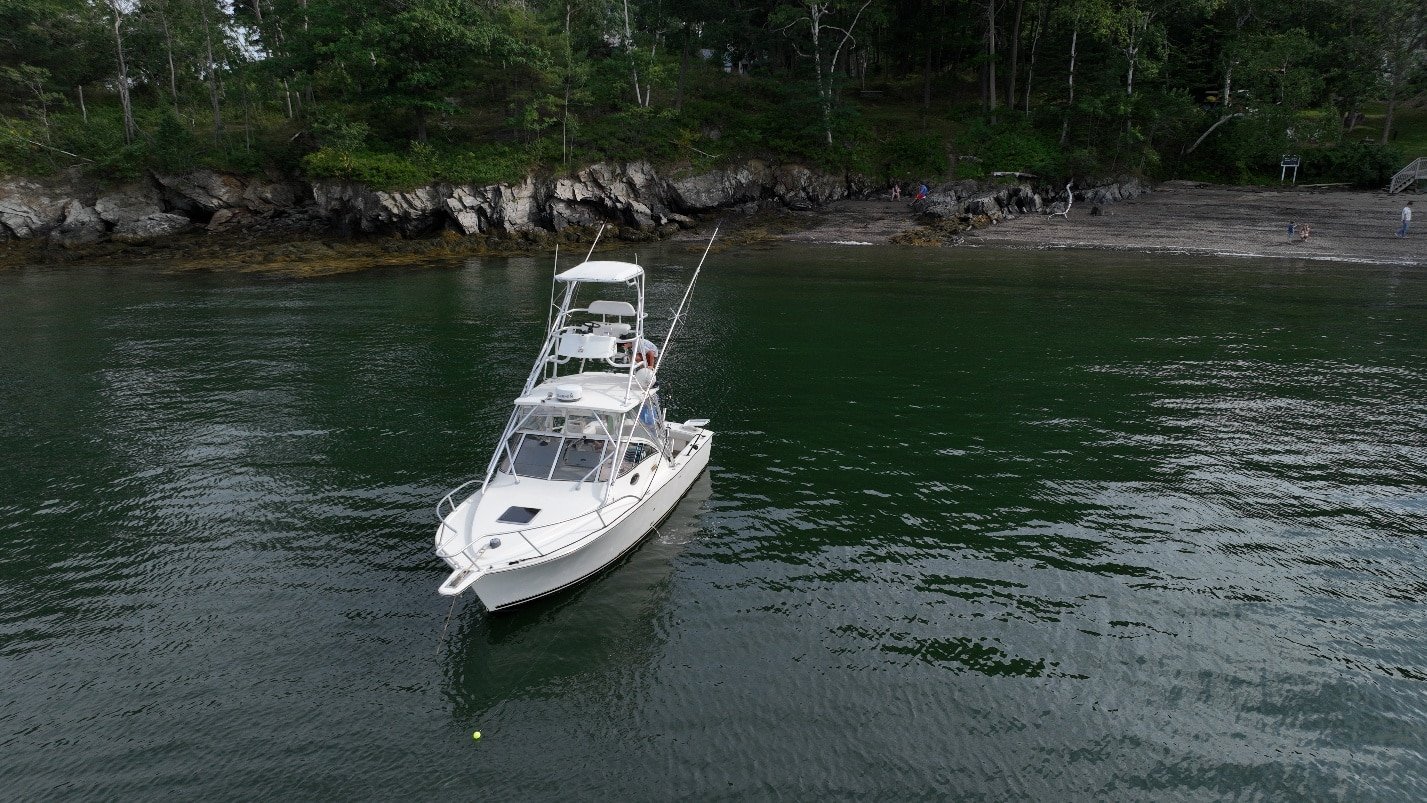
Professional drone services are typically built to handle a wide range of project types, not just one narrow niche. Real estate, construction site monitoring, event coverage, and marine or waterfront photography each demand slightly different skills, from precise hovering near structures to tracking movement during a live event. A hobbyist who has only ever flown over open fields may struggle with the tighter, more situational demands of covering a wedding, documenting an active construction site, or photographing a boat on open water. Experience across varied conditions tends to produce more consistent results regardless of what the project calls for.
This range matters because it reflects real, repeated experience rather than a single lucky shot. A drone photography and videography provider who regularly moves between residential listings, commercial properties, weddings, and construction documentation has already worked through the specific challenges each type of project presents, rather than encountering them for the first time on a client’s job.
A lower quote from a hobbyist can look appealing, especially for a business watching its marketing budget closely. But the true cost of a project goes beyond the invoice. Reshoots, delayed timelines, unusable footage, and the time spent chasing down a slow or unresponsive operator all carry a cost, even when the original booking fee was low. For a real estate listing that needs to go live on schedule or an event that only happens once, a missed or poorly executed shoot can end up costing far more than the difference between a hobbyist’s rate and a professional’s.
Businesses that need aerial imagery regularly, from real estate agencies to construction firms to event venues, tend to gravitate toward one reliable provider rather than shopping around for the lowest price on every project. A consistent point of contact who already understands a client’s preferences, typical property types, and expectations produces faster, more predictable results than starting over with a new, unfamiliar hobbyist each time. That consistency becomes its own form of value, one that is difficult to quantify on a single invoice but adds up significantly over a year of repeated projects.
The appeal of a cheaper, informal drone operator is understandable, but the risks tend to outweigh the savings. Common outcomes include unusable footage due to poor planning, missed shots from unfamiliarity with the property or event, legal exposure from uncertified flying, and no real recourse if the final files never arrive. For a one-time personal project, some of that risk might be acceptable. For a business relying on the results, whether that’s a listing that needs to go live on schedule or event coverage that cannot be reshot, the risk rarely makes sense.
Before hiring any drone operator for business or commercial use, a few questions can quickly separate a professional service from a hobbyist:
A professional operator will answer these questions directly and without hesitation, because the answers reflect how the business actually operates day to day. A hobbyist, by contrast, may struggle to answer more than one or two of them with real confidence.
None of this means a hobbyist cannot fly a drone safely or capture an interesting shot from time to time. It means that “professional” describes a whole system built around consistent, dependable results: licensing that satisfies legal requirements, insurance that protects the client, equipment capable of producing polished final files, a repeatable editing process, and the reliability to deliver on schedule every time, not just occasionally. For any project where the outcome actually matters to a business, that system is what clients are paying for.
The gap between a professional drone service and a weekend hobbyist rarely comes down to the drone itself. It comes down to licensing, insurance, planning, equipment, post-processing, and the reliability to deliver finished work on schedule. Quality Aerials, based in Falmouth, ME, provides professional drone services built on all of these standards for clients throughout Maine who need results they can actually depend on. Whether the need is aerial photography services for a single project or drone photography packages in Maine for ongoing work, get in touch to find out what a professional deliverable actually looks like.